When entering the Singapore private property market, most buyers focus intensely on entry prices, monthly mortgage obligations, and immediate rental yields. However, experienced real estate strategists know that long-term investment success is ultimately determined by your exit strategy and resale liquidity.
In a maturing 2026 property cycle—where overall private home price growth has moderated to a sustainable pace and transaction volumes emphasize prudent selection—buying a home without a clear future exit pool exposes your capital to unnecessary friction.
Whether you are acquiring a home as an owner-occupier or an investor, understanding how project location, buyer demographics, and unit characteristics drive future secondary market liquidity is essential for securing a profitable exit.
1. Defining Resale Liquidity: Why Your Future Buyer Pool Matters
Resale liquidity refers to how quickly and easily a property can be transacted in the secondary market at fair market value. A highly liquid property attracts multiple competing offers during resale, minimizing time-on-market and protecting your asking price during broader economic consolidations.
To ensure strong liquidity when you choose to sell 5, 8, or 10 years down the road, your property must appeal to a broad, resilient buyer demographic rather than a niche segment.
Factors Driving Secondary Market Liquidity:
• Deep Local Owner-Occupier Demand (HDB Upgraders & Multi-Generational Buyers)
• Multi-Line Transport Accessibility & Regional Infrastructure Integration
• Defensible Entry Pricing & Sensible Floor Plan Layouts
• Scarcity of Alternative Supply in the Immediate Micro-Location
2. Prime District Resale Liquidity: Anchoring Exit Value in Scarcity Enclaves
In prime Core Central Region (CCR) enclaves, resale liquidity is underpinned by wealth preservation, spatial scarcity, and enduring family demand. Buyers in these locations are predominantly high-net-worth local households and international buyers looking for long-term equity defense.
Capturing Multi-Generational Exit Demand in District 10
When an enclave benefits from strict low-density URA Master Plan zoning, future resale competition remains permanently capped.
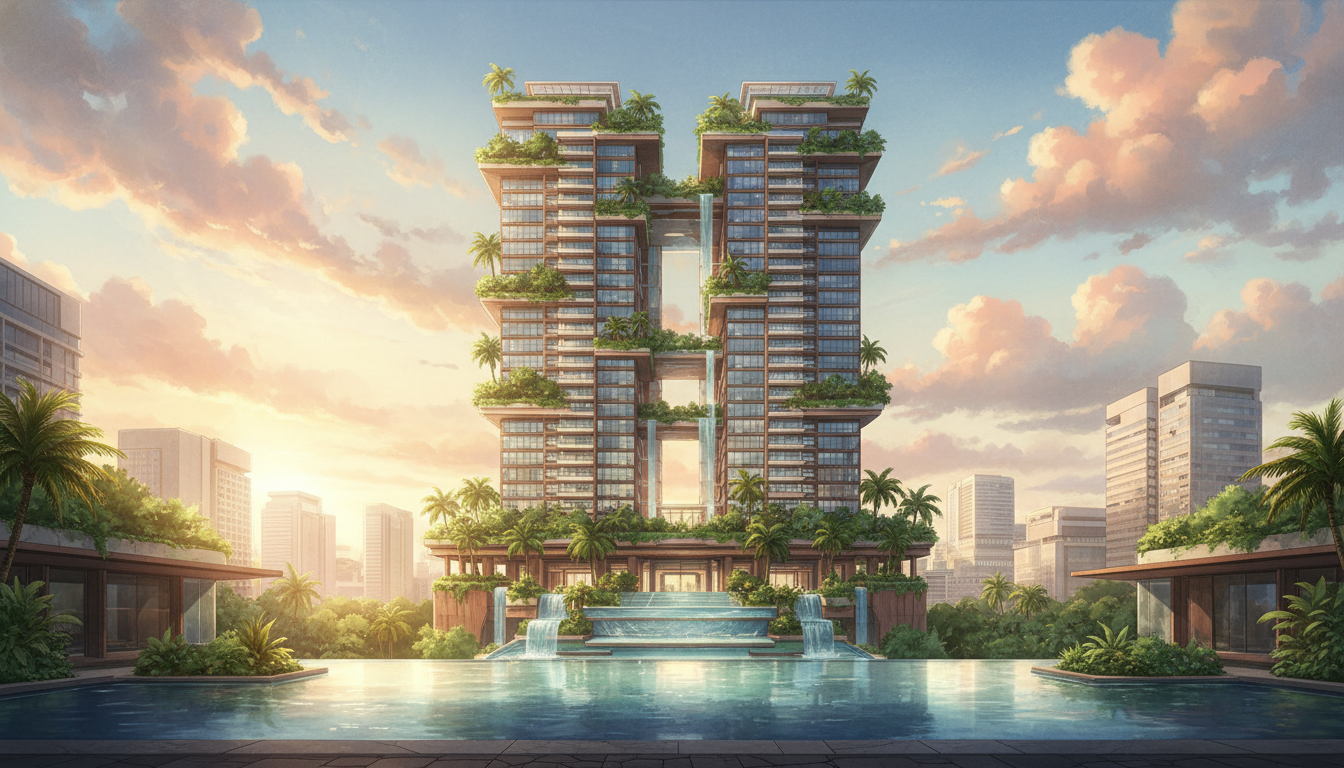
A prime illustration of a scarce asset with a defensible exit pool is Amberwood at Holland, located along Holland Link in District 10. Positioned within the newly master-planned Holland Plain precinct, this low-rise development spans over 185,000 square feet with approximately 212 to 230 exclusive units.
Flanked by Good Class Bungalow (GCB) estates and top-tier educational institutions, its future exit pool is backed by distinct buyer profiles:
- HDB and Private Upgraders in the West: Affluent families from nearby Bukit Timah, Clementi, and Holland areas looking to step into a prestigious District 10 address.
- Parents Securing Educational Proximity: Buyers specifically searching for low-density family homes within close proximity to Methodist Girls’ School, Henry Park Primary, and the Bukit Timah educational belt.
- Right-Sizing Landed Homeowners: Seniors looking to transition from maintenance-heavy GCBs or landed properties into exclusive, single-level luxury condos without leaving their familiar neighborhood.
Resale Liquidity Takeaway: Properties surrounded by low-rise landed estates and top primary school zones maintain steady resale demand across all market cycles. Their inherent scarcity ensures a ready pool of qualified buyers when you decide to unlock your capital.
3. Regional Gateway Liquidity: Tapping Into Mass-Market Upgrader Pools
While prime central enclaves rely on high-net-worth capital, regional transit-oriented hubs achieve exceptional resale transaction velocity by tapping into Singapore’s largest homebuying demographic: mass-market HDB upgraders and regional corporate investors.
Capitalizing on the Jurong Lake District Exit Catalyst
The Outer Central Region (OCR) consistently leads private transaction volumes because entry quantums remain accessible to mid-income households and local upgrading families.
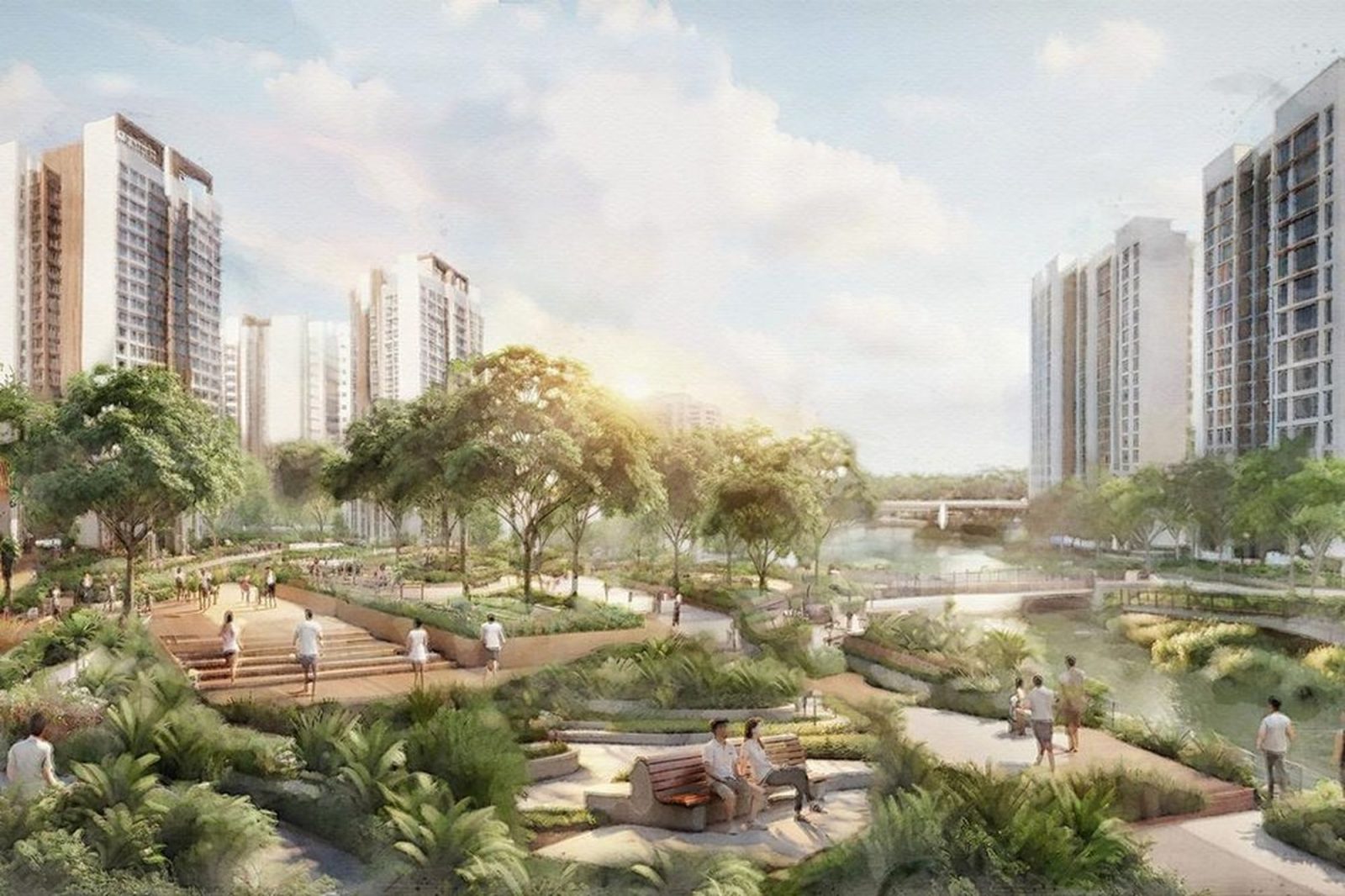
This high-velocity resale dynamic is clearly demonstrated at Lucerne Grand, located directly along Lakeside Drive in District 22. Developed by City Developments Limited (CDL), this integrated mixed-use project sits right next to Lakeside MRT station and the 90-hectare Jurong Lake Gardens.
The depth of the future resale buyer pool in this regional hub is driven by several overlapping factors:
- Maturing HDB MOP Upgraders: Thousands of HDB flat owners reaching their 5-year Minimum Occupation Period (MOP) in Jurong West, Clementi, and Bukit Batok seek nearby private condo upgrades.
- Commercial Workforce Expansion: Mid-to-senior professionals working in the surrounding Jurong Lake District (JLD), Jurong Innovation District (JID), and Tuas Biomedical Park seeking homes closer to their workplaces.
- Doorstep Transit Certainty: Transit-linked developments with sheltered MRT connectivity command a higher volume of resale inquiries compared to landlocked projects requiring feeder buses.
Resale Liquidity Takeaway: Transit-linked regional developments enjoy continuous transaction liquidity because they cater directly to upgrading HDB households—the largest and most consistent buying segment in the Singapore property landscape.
4. Key Metrics to Evaluate Your Exit Strategy Before Buying
To protect your investment capital and ensure a smooth exit, run through this tactical assessment before committing to a private residential purchase:
- Calculate the Entry-to-Resale Price Gap: Evaluate how developer launch pricing compares to surrounding resale benchmark prices. Entering at a realistic price point leaves room for secondary market appreciation when you sell.
- Identify At Least Two Buyer Profiles: A property that appeals only to investors or only to single tenants carries higher vacancy and exit risk. Target developments that attract both owner-occupier families and yield-focused landlords.
- Factor in the Seller’s Stamp Duty (SSD) Timeline: Singapore’s SSD structure imposes tax penalties on properties sold within four years of purchase (16% in Year 1, 12% in Year 2, 8% in Year 3, and 4% in Year 4). Plan for a minimum 4- to 5-year holding horizon to clear the SSD window cleanly.
- Assess Layout Efficiency and Room Sizes: In the secondary market, buyers physically walk through completed units. Efficient floor plans without wasteful hallway space or overly large air-con ledges transact faster and command better per-square-foot premiums.
By grounding your property selection in clear exit demographics, proven transaction volumes, and sound liquidity fundamentals, you ensure your real estate asset delivers both lifestyle fulfillment today and financial flexibility tomorrow.
About the Author