Green spaces have become an increasingly valuable part of residential life in Singapore. In a densely developed city, access to trees, gardens, parks, and landscaped areas can provide residents with opportunities to exercise, relax, and spend time outdoors. These spaces also contribute to the character of neighbourhoods by introducing visual variety and places for informal social interaction. For homebuyers, green surroundings can therefore be more than an attractive feature. They can support everyday routines and create a more balanced relationship between urban convenience and outdoor living.
Bringing Nature Closer to Home
Having greenery within or near a residential development can make outdoor activity easier to incorporate into daily routines. Residents may take a short walk, sit in a garden, or spend time outdoors without travelling far.
This accessibility is particularly useful for people with busy schedules. A nearby landscaped area can provide a simple opportunity to step outside before work, after dinner, or during weekends. Small interactions with outdoor spaces can become regular habits when they are conveniently located near home.
Supporting Physical Activity
Green spaces can encourage movement in ways that feel less structured than traditional exercise facilities. Walking paths, open lawns, cycling routes, and landscaped trails can provide alternatives to indoor gyms.
Residents can choose activities that suit their routines and fitness levels. A morning walk may be more appealing to some people than a formal workout, while families may use open spaces for recreational activities. The variety of outdoor options can help make physical activity a natural part of everyday life.
Creating Opportunities to Relax
Urban life can involve demanding work schedules, traffic, and constant activity. Green spaces offer environments where residents can slow down and take a break from busy surroundings.
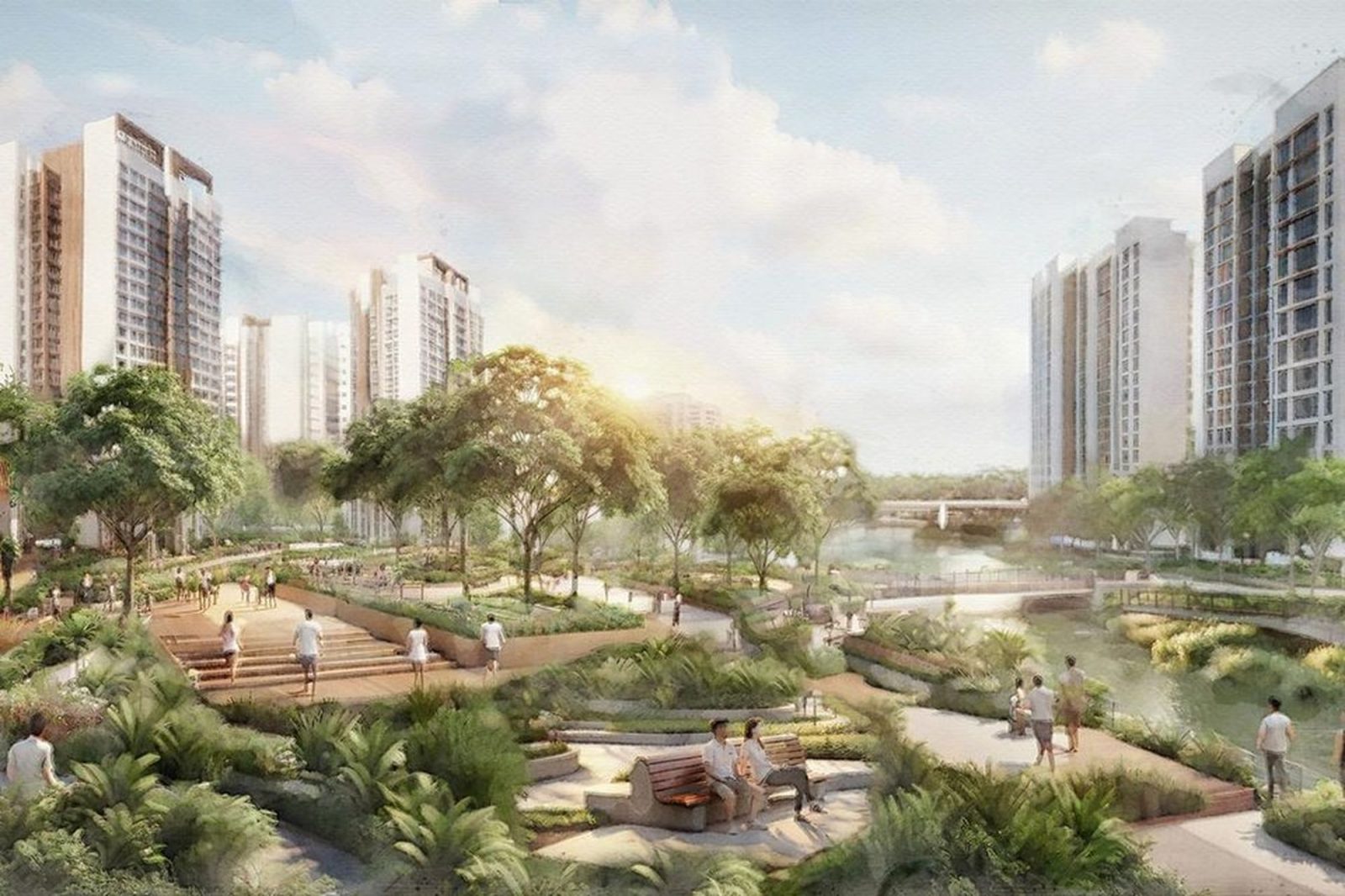
Gardens, shaded seating, water features, and quiet landscaped corners can create places for reading, reflection, or casual conversation. Developments such as The Serra Residences demonstrate why landscaping can be considered alongside residential facilities when buyers assess the quality of the living environment.
Providing Space for Families
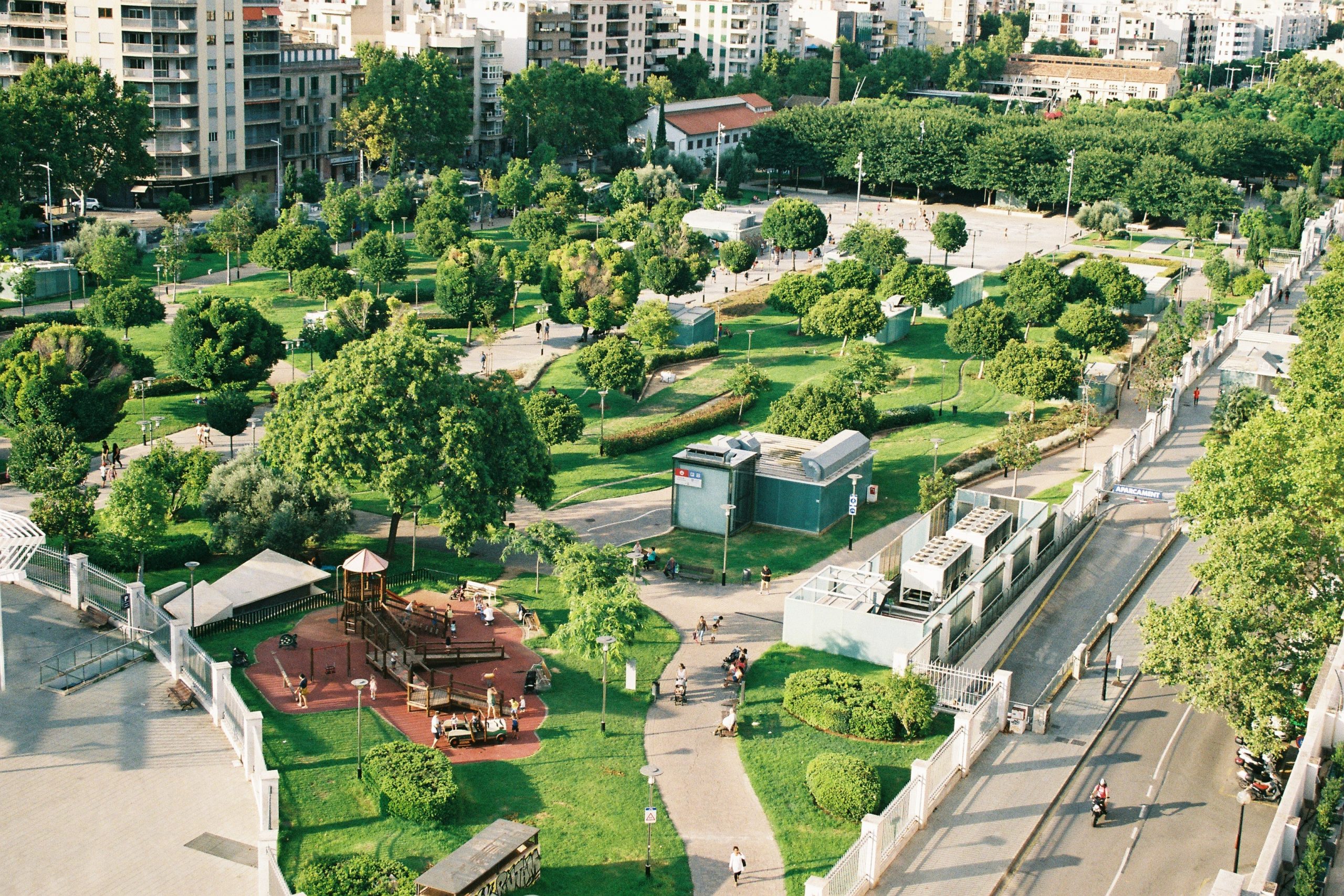
Green areas can be particularly useful for households with children. Play lawns, gardens, walking paths, and outdoor recreation spaces provide alternatives to indoor entertainment.
Parents can spend time outdoors with their children while allowing younger family members to explore and play. As children grow, accessible green spaces can continue to provide opportunities for exercise and recreation. This makes greenery a feature that can remain relevant across different stages of family life.
Encouraging Social Interaction
Green spaces can also support community connections. Residents may encounter neighbours while walking, exercising, relaxing, or supervising children in outdoor areas.
These informal interactions can help create familiarity within a residential community. Landscaped seating areas and shared gardens can encourage residents to spend more time outside their homes, creating opportunities for casual conversations. A well-designed outdoor environment can therefore contribute to a stronger sense of community without requiring formal activities.
Improving the Residential Atmosphere
The visual presence of greenery can influence how a development feels. Trees, planting beds, lawns, and landscaped pathways can soften the appearance of buildings and create a more inviting environment.
Greenery can also provide separation between different residential areas. Carefully positioned planting can offer privacy, define pedestrian routes, and create more attractive views from individual homes. The result is a residential setting that feels varied rather than dominated entirely by built structures.
Connecting Private and Public Greenery
The benefits of greenery can extend beyond the boundaries of a condominium. Nearby parks, nature areas, walking routes, and recreational spaces can provide larger environments for outdoor activities.
Projects such as Dunearn Green highlight why buyers may consider the relationship between a residential development and its surrounding neighbourhood. A home can offer landscaped areas within the development while nearby public green spaces provide additional opportunities for exercise, family activities, and relaxation.
Supporting a More Walkable Lifestyle
Green spaces can make walking more enjoyable when they are connected through safe and comfortable pedestrian routes. Tree-lined paths, shaded walkways, and landscaped streets can encourage residents to walk for short trips rather than automatically relying on cars.
Walkability can also connect residents with nearby amenities. A route that links homes to shops, parks, schools, or transport stops can make everyday journeys feel more pleasant. Buyers should therefore consider how greenery interacts with the wider pedestrian environment.
Adding Value to Everyday Comfort
Green spaces do not need to be large to provide meaningful benefits. Even smaller gardens, terraces, courtyards, and planted communal areas can give residents places to enjoy the outdoors.
The quality of design matters as much as the amount of greenery. Buyers should consider whether outdoor areas are accessible, well maintained, shaded where appropriate, and suitable for different activities. Thoughtful landscaping can make shared spaces more useful throughout the day.
Choosing a Greener Residential Environment
A balanced urban lifestyle does not require residents to choose between city convenience and access to nature. Well-planned residential environments can bring these elements together through landscaping, outdoor amenities, pedestrian connections, and nearby parks.
For homebuyers, green spaces should be assessed as part of the complete residential experience. Their value lies in how they support movement, relaxation, family time, social interaction, and everyday comfort. A development that integrates greenery thoughtfully can provide residents with more opportunities to step outdoors while remaining connected to the conveniences of urban living.
About the Author