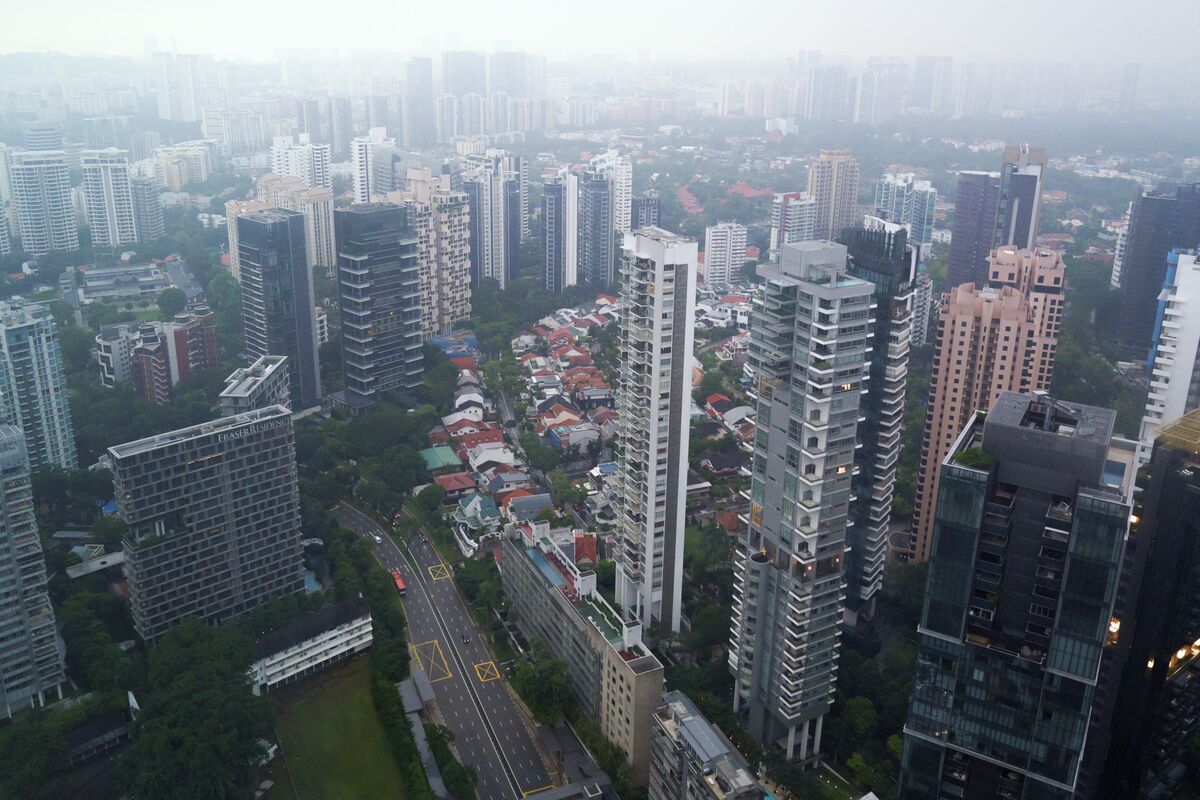
In Singapore’s property market, it often looks like buying decisions are logical and straightforward. Buyers compare prices, locations, layouts, and then decide. But in reality, there is a quieter force at play—what can be called the “silent competition” between developments.
This is where two condos with similar pricing and location performance behave very differently in the market. One sells quickly, attracts strong rental demand, and maintains pricing power. The other moves slowly, even if nothing is obviously wrong with it.
Understanding this invisible competition is key to making better property decisions in 2026.
First Impressions Travel Faster Than Data
Even before buyers study numbers, they form impressions through exposure—online listings, word-of-mouth, social media, and past reputation.
If a development consistently looks “desirable” in photos, showflat videos, or discussions, it builds momentum. That momentum influences buyer confidence even before detailed analysis begins.
This is why presentation quality matters more than many people realize. A strong first impression can create a long-lasting market advantage that is difficult for competing projects to overcome.
Perceived Scarcity Creates Market Energy
Some condos simply feel more “in demand,” even when supply levels are similar.
This perception is often driven by:
- Limited remaining units during launch phases
- Strong early sales velocity
- Frequent mention in property discussions
Once a project gains the reputation of being “fast-moving,” buyers tend to act more quickly to avoid missing out. This creates a self-reinforcing cycle where demand attracts more demand.
Even later in the lifecycle, this perception can continue influencing resale interest.
Layout Efficiency Quietly Wins Over Size
One of the biggest differentiators in silent competition is layout efficiency.
Two units with identical square footage can feel completely different:
- One feels open and functional
- The other feels segmented and wasted
Buyers often cannot articulate why they prefer one unit over another—they simply feel more comfortable in it.
Efficient layouts reduce friction in daily living, which increases long-term satisfaction and resale desirability.
Neighbourhood “Energy” Influences Buyer Preference
Beyond physical attributes, buyers are also influenced by the energy of a neighbourhood.
Some areas feel:
- Vibrant and active
- Calm and residential
- Premium and exclusive
- Mixed-use and dynamic
Even if two locations are technically similar in distance or connectivity, the surrounding environment can shape emotional response.
This is why certain districts consistently outperform others in buyer preference, regardless of pricing similarities.
Maintenance Reputation Becomes a Hidden Advantage
Over time, developments develop reputations based on how well they are maintained.
Buyers and tenants notice:
- Cleanliness of common areas
- Functionality of facilities
- Responsiveness of management
- Overall upkeep of landscaping
A well-maintained development feels more valuable even without structural differences.
In contrast, minor neglect over time can slowly erode buyer confidence, even if fundamentals remain strong.
Developer Track Record Matters More Than Expected
Buyers are increasingly aware of developer reputation.
A strong track record in delivering quality projects can significantly boost buyer confidence. Conversely, inconsistent past performance can make buyers more cautious—even if the current project is well-designed.
This reputational effect often influences pre-launch demand and early resale performance.
The Psychological Impact of “Comparison Sets”
Buyers rarely evaluate a property in isolation. They compare it against a mental shortlist of alternatives.
This means a property does not need to be objectively “bad” to underperform. It only needs to feel slightly less attractive than competing options in the same consideration set.
Small differences in pricing, layout, or perception can shift buyer preference significantly.
How Location Still Plays a Subtle but Powerful Role
Even within similar districts, micro-location differences shape competition outcomes.
Factors like:
- Walking distance to transport nodes
- Traffic exposure
- Surrounding building density
- Nearby amenities clustering
can influence whether a development feels convenient or slightly inconvenient in daily life.
Over time, these subtle differences translate into measurable performance gaps.
Lifestyle Alignment Is Becoming a Key Divider
Buyers are no longer just asking “Is this a good property?” They are asking “Is this the right lifestyle fit?”
Developments that align with modern lifestyle expectations tend to outperform even if they are not the cheapest or most centrally located.
This includes:
- Quiet environments for hybrid work
- Green surroundings for wellness
- Functional spaces for family living
- Balanced access to urban convenience
Projects like Thomson Reserve often appeal to this lifestyle-driven demand, where buyers prioritize livability and environment quality over pure density or central positioning.
Why Some Condos Quietly Outperform Over Time
The strongest performers in the market usually share a few hidden advantages:
- Consistently strong buyer perception
- Balanced layout efficiency
- Stable maintenance standards
- Strong emotional appeal
- Positive word-of-mouth momentum
These factors are not always visible in listing data but become evident over time through resale strength and rental stability.
The Role of Boutique Developments in Silent Competition
Smaller, well-designed developments often benefit from stronger identity and exclusivity.
Without excessive unit numbers, they can maintain:
- Higher perceived privacy
- Stronger community feel
- More controlled density
This is why boutique residences like Amberwood at Holland often attract a specific segment of buyers who value curated living environments over large-scale developments.
Final Thoughts
Singapore’s property market is not just a numbers game. It is shaped by perception, psychology, design quality, and subtle differences that are not immediately visible in listings or brochures.
This “silent competition” between condos explains why some developments consistently outperform others even when they appear similar on paper.
Whether evaluating modern projects like Thomson Reserve or boutique residences such as Amberwood at Holland, the key insight is simple: small invisible advantages often create large long-term differences.
In real estate, what buyers feel—often matters just as much as what they see in the data.
About the Author