A comfortable home is not defined solely by attractive furniture, premium finishes, or modern appliances. Environmental factors such as natural lighting, ventilation, and indoor temperature can have a considerable influence on how residents experience their living spaces.
In Singapore’s tropical climate, where warm temperatures and humidity are common throughout the year, these elements deserve particular attention. A residential unit that receives suitable daylight and has effective ventilation arrangements may provide a more pleasant indoor environment.
For prospective homeowners, understanding these features can help distinguish between properties that look appealing in photographs and those that offer practical everyday comfort.
Natural Lighting and Its Influence on Interior Spaces
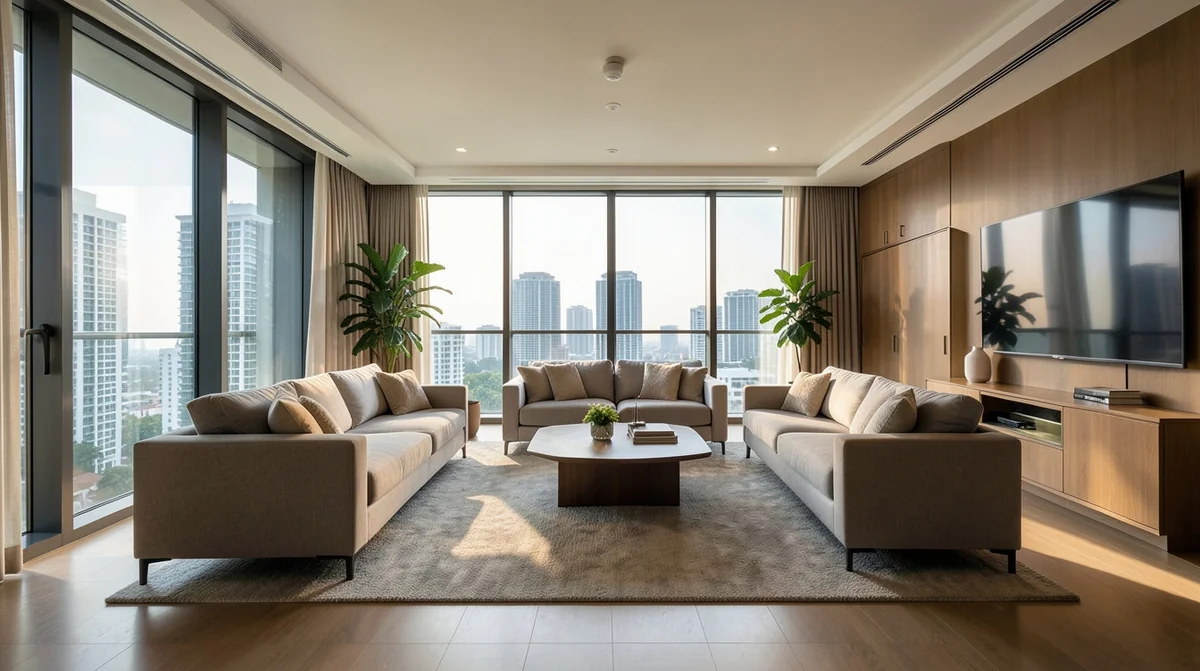
Natural daylight can make residential interiors feel brighter and more welcoming.
Rooms with suitable window placement may receive sufficient daylight during daytime hours, potentially reducing the need for artificial lighting.
The direction of sunlight, surrounding buildings, window dimensions, and external obstructions can all influence the amount of daylight entering a property.
However, more sunlight is not always better. Excessive direct exposure may increase indoor heat and glare, particularly in Singapore’s tropical environment.
Buyers should therefore consider how daylight enters different rooms throughout the day rather than evaluating brightness during a single property viewing.
Understanding Cross-Ventilation in Residential Design
Ventilation refers to the movement and exchange of air within an indoor environment.
Cross-ventilation occurs when air can move through a space using openings positioned to support airflow.
Depending on the building layout and surrounding conditions, this may help improve indoor air movement and comfort.
Factors such as window positioning, internal partitions, building orientation, and nearby structures can influence ventilation effectiveness.
When inspecting a completed property, buyers can observe window arrangements and assess whether rooms have practical ventilation options.
For new developments, official floor plans and building specifications provide useful information about the intended design.
Chencharu Central Residences: Considering Indoor Comfort Before Purchasing
The quality of a residential environment should be evaluated beyond the appearance of its interiors.
People researching Chencharu Central Residences may wish to examine the official unit layouts and available building specifications to understand how individual spaces are designed.
Window positioning, room orientation, balcony arrangements, and the relationship between internal spaces can all influence everyday comfort.
Prospective buyers should also consider how surrounding buildings and neighbourhood development may affect daylight and airflow.
Where possible, reviewing actual show units, official architectural information, and relevant project documentation can help establish realistic expectations.
How Building Orientation Can Affect Residential Comfort
Building orientation is an important consideration in Singapore because the tropical climate creates specific challenges involving heat and sunlight.
The amount of direct sunlight received by a residential unit may vary according to its orientation and surrounding environment.
Some homeowners prefer brighter interiors, while others prioritise reduced afternoon heat.
There is no universally ideal orientation because the experience depends on floor level, surrounding structures, window design, and personal preferences.
Buyers should consider how the property’s orientation fits their comfort requirements rather than relying on generalised claims about particular directions.
Langdon Heights and the Importance of Evaluating Unit Specifications
When researching Langdon Heights, prospective purchasers should examine the available property information to understand the relationship between layout and indoor comfort.
Important considerations include:
- Window size and placement.
- Bedroom and living room orientation.
- Balcony configuration, where applicable.
- Ventilation opportunities.
- Potential external obstructions.
- The positioning of surrounding residential buildings.
These details can influence how naturally illuminated and ventilated a home feels.
Buyers should verify actual specifications instead of assuming that every unit within a development offers identical environmental conditions.
Managing Heat in Singapore Homes
Heat management is another important part of residential comfort.
Suitable curtains, blinds, window treatments, and shading arrangements can help manage excessive sunlight.
Homeowners may also consider energy-efficient fans and air-conditioning systems to maintain comfortable indoor temperatures.
The choice of materials can influence heat retention as well. Flooring, wall finishes, and window treatments may affect how an interior feels throughout the day.
However, any modifications involving external building elements should follow the applicable property management and regulatory requirements.
Indoor Air Quality and Everyday Wellbeing
Indoor air quality is influenced by several factors, including ventilation, cleaning practices, moisture levels, and the use of household products.
Regular cleaning can help reduce dust accumulation, while proper ventilation may assist in managing indoor humidity and stale air.
Bathrooms and kitchens deserve particular attention because these areas generate moisture and odours.
Homeowners should also ensure that ventilation equipment is maintained properly.
For properties with limited natural ventilation, suitable mechanical ventilation arrangements may become especially important.
Balancing Privacy With Natural Light
Large windows can provide pleasant daylight and views, but they may also raise privacy considerations.
The positioning of neighbouring buildings, balcony arrangements, and window visibility can influence how comfortable residents feel inside their homes.
Curtains, blinds, and suitable interior layouts can help balance privacy with daylight requirements.
Buyers should observe the surrounding residential environment when viewing a property, especially where neighbouring buildings are located relatively close together.
Can Natural Features Influence Property Appeal?
Natural lighting and ventilation can contribute to the overall attractiveness of a residential property.
Many buyers appreciate homes that feel bright, comfortable, and practical without requiring extensive modifications.
Nevertheless, these features should be evaluated alongside other important considerations such as price, location, unit layout, maintenance, and accessibility.
A property with attractive daylight conditions may still be unsuitable if it does not meet the household’s financial or spatial requirements.
Creating Healthier and More Comfortable Residential Environments
Natural lighting and ventilation are fundamental aspects of residential design that can influence everyday comfort.
In Singapore, thoughtful consideration of sunlight, airflow, humidity, and heat management can help homeowners create more pleasant indoor environments.
For property buyers, examining these details before purchasing can provide a better understanding of how a home will function beyond its initial visual appeal.
A comfortable residence is ultimately one that combines practical design, suitable environmental conditions, and the features needed to support everyday living.
About the Author