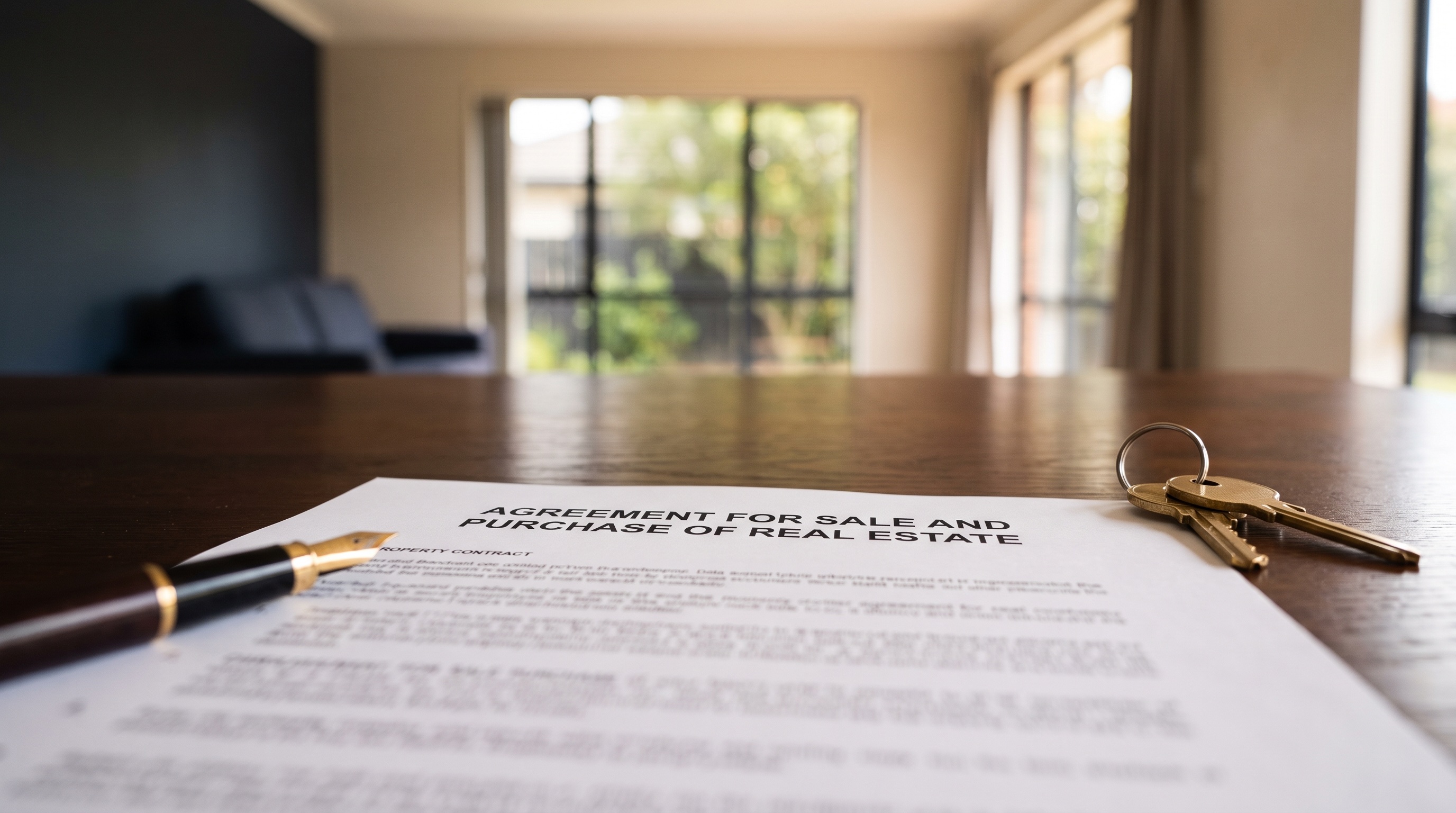
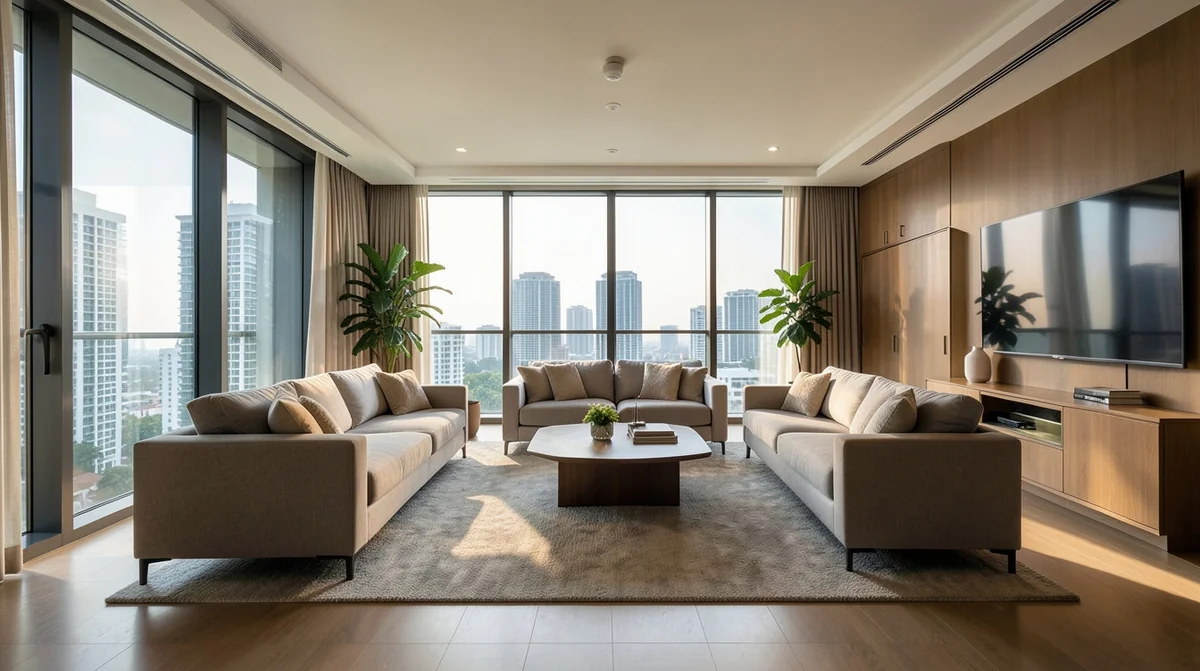
Buying a private condominium involves more than paying the agreed purchase price. Once ownership begins, homeowners become responsible for a range of recurring expenses that can influence their household budgets for years.
Some buyers concentrate heavily on securing financing and arranging the initial payment, leaving ongoing ownership costs until later. This can create financial pressure, particularly when maintenance contributions, property taxes, insurance and household repairs are added together.
Understanding the complete cost of condominium ownership before purchasing helps buyers make more sustainable decisions.
Monthly Maintenance Contributions
One of the recurring expenses associated with condominium ownership is the maintenance contribution.
These payments support the upkeep of common property and shared facilities. Depending on the development, management expenses may include:
- Lift servicing and maintenance.
- Cleaning of common corridors and lobbies.
- Security arrangements.
- Landscaping and gardening.
- Swimming pool maintenance.
- Repairs to shared infrastructure.
- General building management.
The amount payable depends on the development’s management arrangements and applicable share-value structure.
Buyers should not assume that every condominium charges the same amount. A development with extensive facilities or more complicated building arrangements may have different operating requirements from a smaller residential project.
For a new condominium, ask when indicative maintenance contributions will be available and whether the figures are preliminary.
Property Tax Is a Separate Ownership Expense
Singapore property owners must also account for property tax.
The tax treatment depends on factors such as the property’s annual value and whether it is owner-occupied or rented out.
Owner-occupiers may qualify for different progressive property tax rates compared with non-owner-occupied residential properties.
This distinction is important for buyers considering whether to live in their condominium or hold it as a rental property.
The Inland Revenue Authority of Singapore provides the applicable tax rates and calculation guidance.
Buyers should use IRAS information to estimate their obligations rather than relying on informal calculations or outdated online examples.
Mortgage Payments Are Only One Part of the Budget
A mortgage is often the largest recurring financial commitment associated with a condominium.
However, buyers should avoid treating the monthly instalment as their complete housing expense.
A realistic household budget should also include utilities, internet subscriptions, insurance, maintenance contributions and routine repairs.
Interest rates can also change depending on the financing arrangement.
Someone purchasing a property with a floating-rate mortgage should understand how changes in interest rates could affect monthly repayments.
Before committing, obtain financing information directly from a bank and check the applicable MAS requirements.
Why Mixed-Use Developments Need Careful Cost Assessment
A mixed-use condominium can have a different management structure from a conventional residential development.
North Park Central is planned as a mixed-use redevelopment of Yishun 10 at 51 Yishun Central 1, District 27.
The proposed 99-year leasehold development is expected to contain approximately 110 homes with two- to four-bedroom configurations.
Its residential component is planned above a street-level retail podium, with a landscaped facilities deck on Level 2.
The land was acquired by Frasers Property through private purchases totalling S82.5million.ThisincludedS48 million for the Golden Village cineplex and S$34.5 million for 10 strata lots from Frasers Centrepoint Trust.
For prospective homeowners, the development’s residential and commercial arrangement makes it important to understand how management responsibilities and shared facilities will be organised.
Buyers should ask which expenses relate to residential common property and whether any particular management arrangements apply to the mixed-use components.
The development is beside Yishun MRT station (NS13) and the Yishun Integrated Transport Hub, with an underground link to Northpoint City identified at approximately 0.09km.
More project information is available through North Park Central.
Renovation and Replacement Expenses
A newly completed apartment may initially require little maintenance inside the unit, but homeowners should still prepare for future expenditure.
Air-conditioning servicing, plumbing repairs, appliance replacement and repainting can become necessary over time.
Renovation expenses may also arise when household needs change.
For example, a family may eventually require additional storage or a different room arrangement.
Before purchasing, consider whether the apartment’s existing layout can accommodate future changes without requiring extensive renovation.
This is particularly useful when comparing different unit configurations.
Understanding Costs Before Purchasing at Bedok Rise
Bedok Rise Residences is a planned 99-year leasehold condominium at Bedok Rise, Tanah Merah, District 16.
The site measures approximately 20,293.6 square metres, with a maximum gross floor area of 32,470 square metres and a plot ratio of 1.6.
URA awarded the site to Bellis Residential Pte. Ltd. on 2 December 2025 following a tender that closed on 27 November 2025.
The winning bid was S464.8million,equivalenttoapproximatelyS1,330 per square foot per plot ratio. URA indicated that the site could yield around 380 homes.
The development is marketed by Allgreen Properties, part of the Kuok Group.
Its location beside Tanah Merah MRT station (EW4) is an important part of its residential positioning. The station is planned as an interchange with the Thomson-East Coast Line.
However, its unit mix, prices, maintenance contributions and final specifications have not been released.
Prospective purchasers can monitor Bedok Rise Residences for further announcements.
Building a More Realistic Ownership Budget
A practical way to prepare is to separate expenses into three categories.
Initial expenses: These include the downpayment, stamp duties, legal fees and other transaction-related costs.
Recurring expenses: These include mortgage instalments, maintenance contributions, property tax, insurance and utilities.
Occasional expenses: These include renovation, repairs, appliance replacement and unexpected household expenditure.
This separation makes it easier to identify how much money is required immediately and how much should remain available after purchasing.
Keep an Emergency Reserve
Property ownership should not consume every available dollar of savings.
Homeowners may encounter unexpected repairs, temporary income disruptions or changes in household responsibilities.
Maintaining an emergency reserve provides additional financial flexibility.
Buyers should also avoid depending entirely on projected rental income when calculating affordability. Tenants may change, vacancies can occur and rental income is never guaranteed.
A More Complete View of Property Affordability
The true cost of condominium ownership extends well beyond the purchase transaction.
Maintenance contributions, property tax, financing, insurance and household upkeep all deserve attention before a buyer commits.
Bedok Rise Residences and North Park Central represent different residential development arrangements, so their eventual ownership expenses should be examined using confirmed project and management information.
Both project websites are developer-marketing sources, and published figures should be independently verified.
A financially sensible condominium purchase is one that remains manageable after the excitement of collecting the keys has passed.
About the Author