
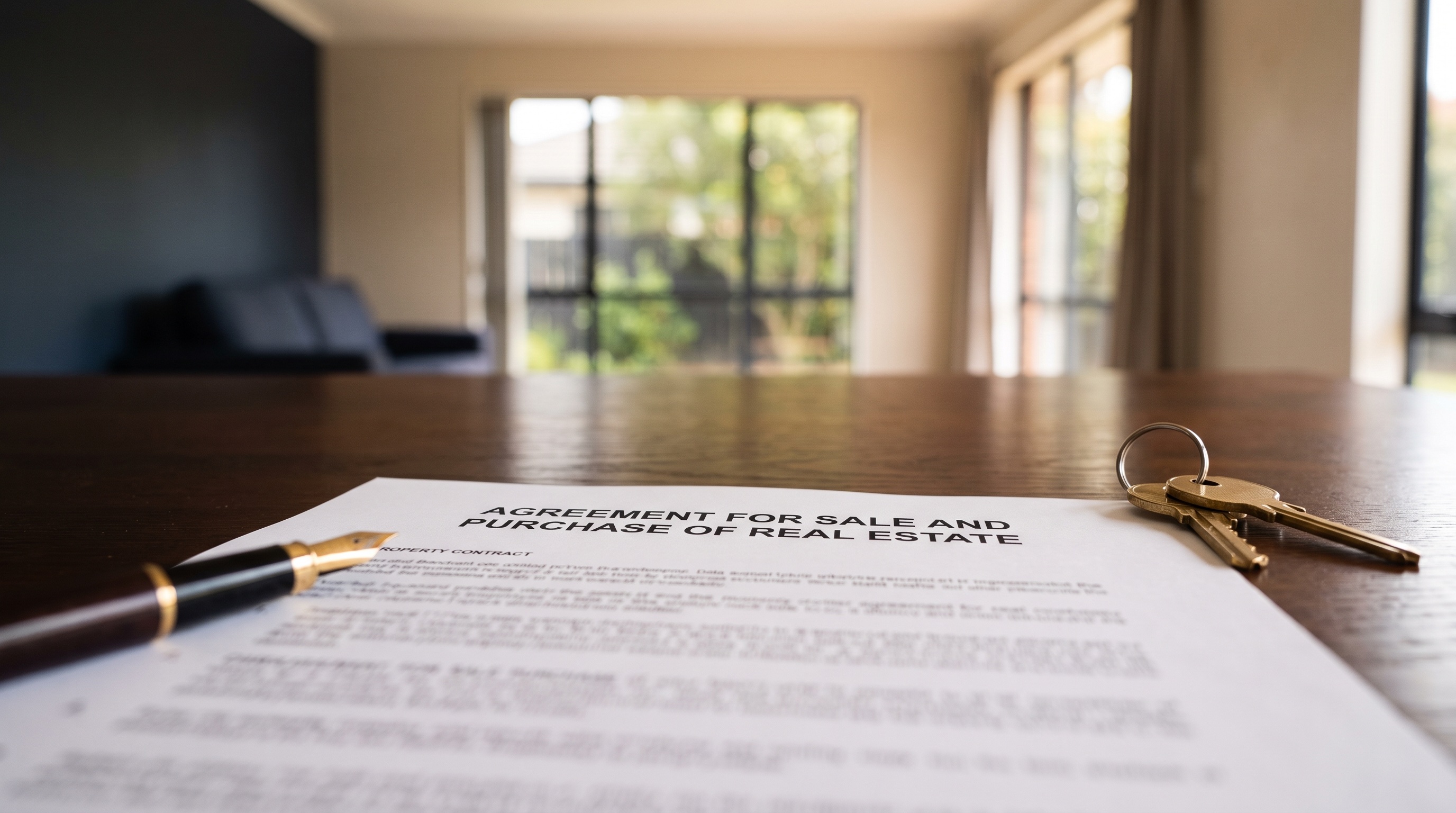
For many buyers, the sale and purchase agreement (SPA) is the longest document they will sign, and the one they read least. The legal language is dense, the deadlines feel urgent and the sales team is friendly. That is exactly why it pays to know where to focus. This guide does not replace a lawyer, who should review your own contract. It points out six areas that deserve extra attention. Terms differ between projects and change over time, so always rely on your own document and professional advice.
1. Who the Parties Are
Check the names first. The seller should be the legal entity that owns the project, and the unit, floor area and address should match what you were shown. Developers often market a project under one name while a separate company holds the land. The website for Fablewoode Residences, the marketing name for a planned executive condominium on Sembawang Road, says its official name is yet to be confirmed, which is a good reminder to compare marketing names with the names in the contract.
2. The Unit Description
Look for the unit number, stack, floor, stated area and whether the figure includes balconies, ledges or private spaces. Compare it with the floor plan you were given. If any detail differs, ask for the difference to be explained in writing before you sign.
3. The Payment Schedule
The contract sets out when each instalment falls due and what event triggers it. Compare the percentages and milestones with the payment scheme shown at the sales gallery. Make sure you know which payments can come from CPF and which need cash, since some portions are payable in cash only. A cash-flow calendar built from this clause is one of the most useful tools you can make.
4. The Completion Date and Delay Terms
New projects carry a contractual date by which the developer must deliver the unit. The agreement also states what happens if it is late, usually through compensation for each day of delay, subject to specified conditions. Read how the date is defined, what events may extend it and how compensation is calculated. Websites for upcoming launches sometimes mention estimated completion years, but these are projections, and the binding date is the one in your contract. The site for Chencharu Central Residences, a planned private mixed-use condominium in Yishun, shows both an estimated completion year in its FAQ and “to be announced” in other sections, which illustrates why the contract itself is the only reliable source.
5. Specifications and Fittings
The specification schedule lists the materials and brands the developer commits to supply, from flooring to sanitaryware to appliances. Showflats often include upgrades or décor that are not part of the standard package. Compare the schedule line by line with what you saw. If a developer reserves the right to substitute materials, check the conditions that apply.
6. Defects and What Happens After Handover
Once you collect the keys, a defects liability period usually applies, during which the developer must rectify faults. Find out how long it lasts, how to report issues and how quickly repairs must be done. Document problems in writing and keep copies.
Other Points Worth Asking About
- What happens if you cannot pay an instalment on time?
- What are the conditions for cancelling or assigning your purchase?
- How are common property and the management body handled after completion?
- Are there any restrictions on use, renting out or reselling?
For executive condominiums, additional HDB conditions apply, including an occupation period, so ask how those obligations appear in your paperwork.
How to Make the Review Practical
- Request the draft SPA early, not on the day you decide.
- Hire a conveyancing lawyer, and send the draft to them before any commitment beyond the option fee.
- Highlight every date and amount, then transfer them to a calendar.
- Write down every question and get answers in writing.
- Do not sign anything you do not understand.
Closing Thought
The SPA is where promises become obligations, so a careful read now can prevent expensive disputes later. Take your time, rely on a lawyer for legal interpretation and confirm every detail with the developer and the relevant authorities before you commit.
About the Author


