
Look Beyond the Appearance of a Property
A residential property may look appealing during a viewing, but its long-term comfort also depends on the surrounding environment. Singapore’s tropical climate brings frequent rainfall, high humidity, and warm temperatures throughout the year, making environmental conditions an important consideration for homebuyers.
Factors such as drainage, shade, ventilation, and exposure to direct sunlight can influence everyday living. Understanding these characteristics helps purchasers evaluate how a home may perform under different weather conditions.
Environmental research is not about predicting every future event. It is about identifying relevant risks, understanding available information, and making a decision based on more than appearance alone.
Understand the Importance of Drainage
Heavy rainfall can place pressure on drainage systems, particularly in areas where water accumulates quickly or where surrounding infrastructure is undergoing change.
Buyers should review available official flood-risk information and pay attention to the immediate surroundings during property visits. Low-lying access routes, drainage channels, and nearby waterways may warrant additional investigation, although their presence alone does not establish that a property is at risk.
The PUB, Singapore’s National Water Agency, provides information about flood protection and drainage that can help purchasers understand local conditions.
It is also worth checking whether entrances, pedestrian routes, and nearby roads remain practical during wet weather. A location that is comfortable to access throughout the year can make everyday routines more manageable.
Evaluate Heat and Natural Shade
Outdoor comfort can influence how residents experience a neighbourhood. Areas with substantial shade may feel more pleasant for walking, while exposed paved surfaces can become uncomfortable during hot periods.
When visiting a potential home, observe the amount of shade along nearby pedestrian routes and consider how much time household members are likely to spend outdoors.
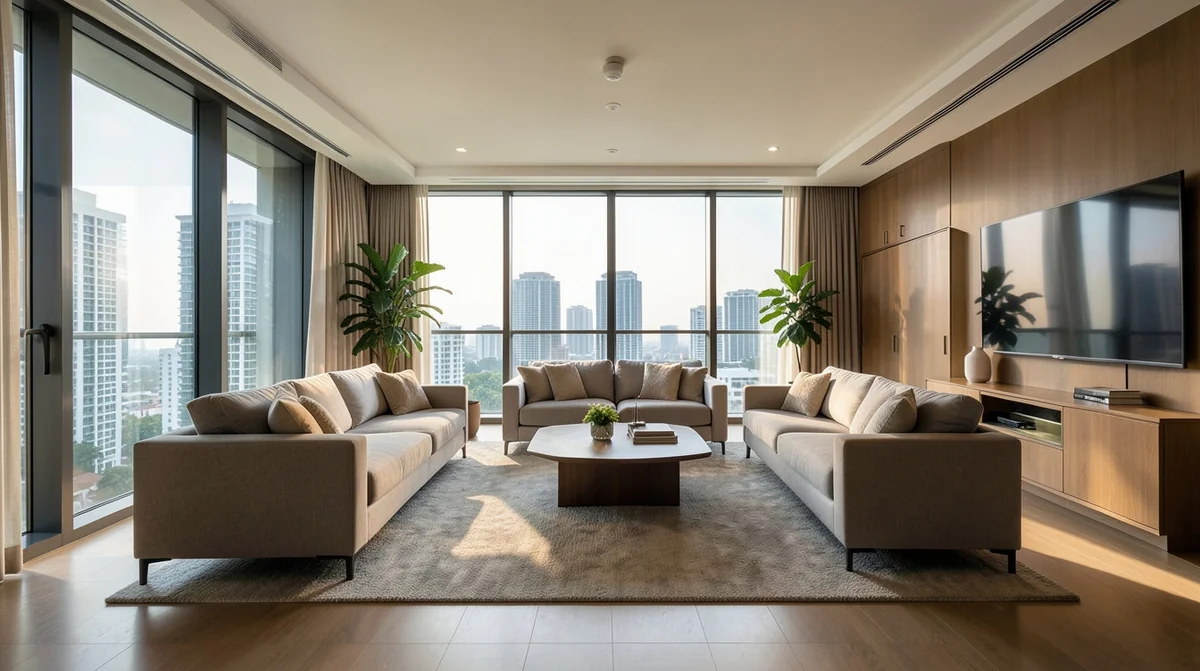
Inside the property, window orientation, surrounding buildings, and shading features can influence heat entering the rooms. Buyers should review the actual unit configuration instead of assuming that every home within the same development receives the same amount of sunlight.
Curtains, blinds, and suitable energy-efficient equipment may help manage indoor conditions, although the effectiveness of these measures depends on the building design and the source of the heat.
Researching the Environment Around Solano Grand
Prospective buyers researching Solano Grand can investigate the surrounding Bukit Panjang area for information about drainage, greenery, pedestrian access, and general environmental comfort.
Start with reliable public information rather than relying exclusively on promotional descriptions. Official planning resources and relevant government agencies may provide useful context about drainage infrastructure, land use, and environmental conditions.
A site visit can complement this research. Observe how the surrounding area handles rainfall, whether walking routes provide shade, and how the property’s immediate environment relates to nearby roads and buildings.
Buyers should distinguish between observable conditions and assumptions about future performance. If a particular concern could materially affect the purchase, seeking clarification from the relevant authorities or a qualified professional may be appropriate.
Consider Green Spaces and Their Practical Benefits
Trees and landscaped areas can contribute to the experience of a neighbourhood by providing shade and making outdoor surroundings more attractive.
However, the value of greenery depends on accessibility and maintenance. A park that appears nearby on a map may require a longer walk than expected, while landscaped areas within a development may have specific access arrangements.
Buyers should consider whether nearby green spaces fit their routines. Families may appreciate places for outdoor activities, while individuals who enjoy walking may prefer continuous pedestrian routes.
It is also useful to examine how vegetation relates to the property itself. Landscaping can influence shade and views, but buyers should not assume that existing trees or planting arrangements will remain unchanged indefinitely.
Assessing Weather-Related Comfort in Woodlands
When considering Wynwood Grand, prospective purchasers can apply the same environmental checks to the Woodlands surroundings.
Review available official information about drainage and local infrastructure, and observe the condition of pedestrian routes near the development. Consider how the journey between the property and nearby transport facilities might feel during heavy rain or particularly hot weather.
The internal characteristics of the selected unit deserve attention as well. Window placement, ventilation arrangements, and exposure to direct sunlight may affect indoor comfort.
Buyers should confirm the actual specifications of their preferred unit and avoid relying on general assumptions about the entire neighbourhood. Environmental conditions can vary over relatively short distances.
Think About Energy Use During Hot Weather
Cooling a home can account for a meaningful portion of household electricity consumption. Residents can consider energy-efficient air-conditioning equipment, appropriate temperature settings, and practical window coverings to manage comfort.
Regular equipment maintenance may also help systems operate as intended. However, buyers should check the actual equipment provided with a property rather than assuming particular efficiency features are included.
Simple habits, such as switching off unnecessary lighting and using daylight when appropriate, can complement more substantial energy-saving measures.
Use Reliable Information Before Making Assumptions
Environmental research should rely on credible sources and specific evidence. Government agencies, official planning information, and qualified professionals are generally more useful for assessing relevant risks than unsupported online claims.
Buyers should also recognise that conditions can change as infrastructure, surrounding land use, and climate patterns evolve.
Conclusion
Environmental comfort is an important part of choosing a home in Singapore. Drainage, shade, heat exposure, greenery, and access during wet weather can all influence everyday living.
By reviewing official information and examining the immediate surroundings, prospective homeowners can make a more informed assessment of the properties they are considering. A careful approach helps balance environmental considerations with affordability, layout, and other essential housing priorities.
About the Author

